
Most of the last century saw identical factory products. Everything looked the same. Cost the same. Fell apart at the same rate. But Americans started noticing their grandparents’ stuff lasted longer than anything in stores today. Old leather bags improved with time, while new ones cracked quickly. A revival of handmade goods emerged as this realization dawned on individuals at different times.
The Appeal of Human Touch
That leather wallet with uneven stitching tells you something. A person sat at a bench and pushed a needle through hide hundreds of times. Maybe they listened to music. Maybe their cat slept nearby. Their mood influenced the tightness of each stitch. Machines don’t have moods. Or cats.
People miss knowing where things come from. A jacket from a big warehouse could have had any origin. But the hand-forged buckle? The maker probably posted videos of themselves hammering hot metal. You watched sparks fly. You saw sweat drip. That connection matters more than marketers predicted.
Social media turned craftwork into entertainment. Watching someone shape clay or carve wood beats most TV shows. Comments pour in: “How long did that take?”, “Where did you learn?”, “My grandfather did this”. These conversations build communities around objects that used to be just objects.
Quality That Lasts Generations
Sure, handmade costs more. A lot more sometimes. However, the expensive leather jacket still looks great. Last year’s cheap one is already in a donation bag. Which one actually cost more?
Craftspeople pick materials like chefs pick ingredients. They run their hands over leather, checking for weak spots. They knock on wood, listening for the right tone. They smell oils and waxes, trusting their noses over labels. Factory buyers order materials by the ton from spreadsheets. The difference shows immediately and compounds over years.
Small Batches, Big Impact
Thirty people on earth own that exact bag. Not thirty thousand. Not three million. Thirty. The maker’s hands touched every single one. Some Tuesday afternoon, they decided to try a different clasp style. Wednesday, they changed their mind. Each batch reflects these tiny decisions.
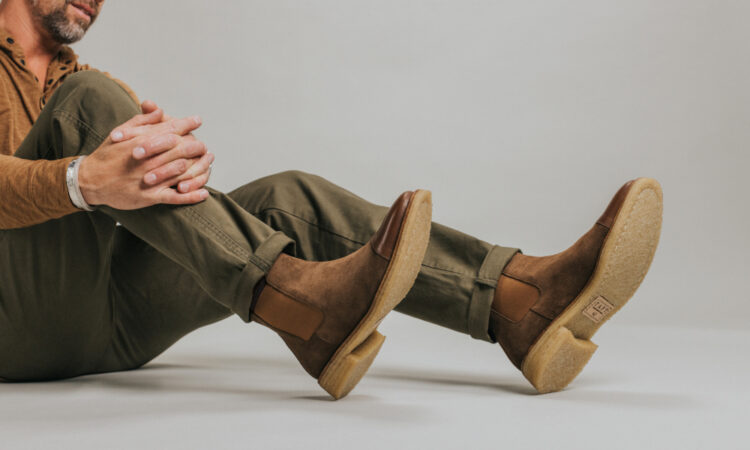
Mass production locks in designs six months before anything ships. Artisanal sneakers from a brand like Taft get tweaked between each small run based on what buyers actually say. “The tongue slides around.” Next batch – problem solved. “Love the color but wish it had more green.” Done. Try getting that response from a corporation.
Local money stays local when someone buys from nearby makers. The potter down the street pays rent to local landlords, buys coffee from local shops, hires local kids to help with holiday orders. Factory wages disappear overseas. This math matters to communities watching main streets empty out.
Modern Craftspeople, Traditional Methods
Grandfather’s woodworking techniques meet laser cutters. Great-grandmother’s weaving patterns get shared on tablets. Old meets new without fighting about it. The good stuff from both eras sticks around while the unnecessary parts fade. Kids who grew up clicking “buy now” suddenly want to learn grandma’s quilting methods. They post their attempts online, mistakes and all. Other beginners cheer them on. Experts offer tips without condescension. Skills almost lost get passed to hands that never expected to learn them.
Conclusion
This shift toward handcrafted goods reflects something deeper than shopping preferences. Americans are questioning the whole system of making, buying, and discarding. They’re choosing items that age into heirlooms over ones that age into garbage. Every purchase becomes a vote for what kind of economy people want. The movement keeps growing because it offers what mass production can’t; connection, quality, and the knowledge that human hands shaped something made to last.